
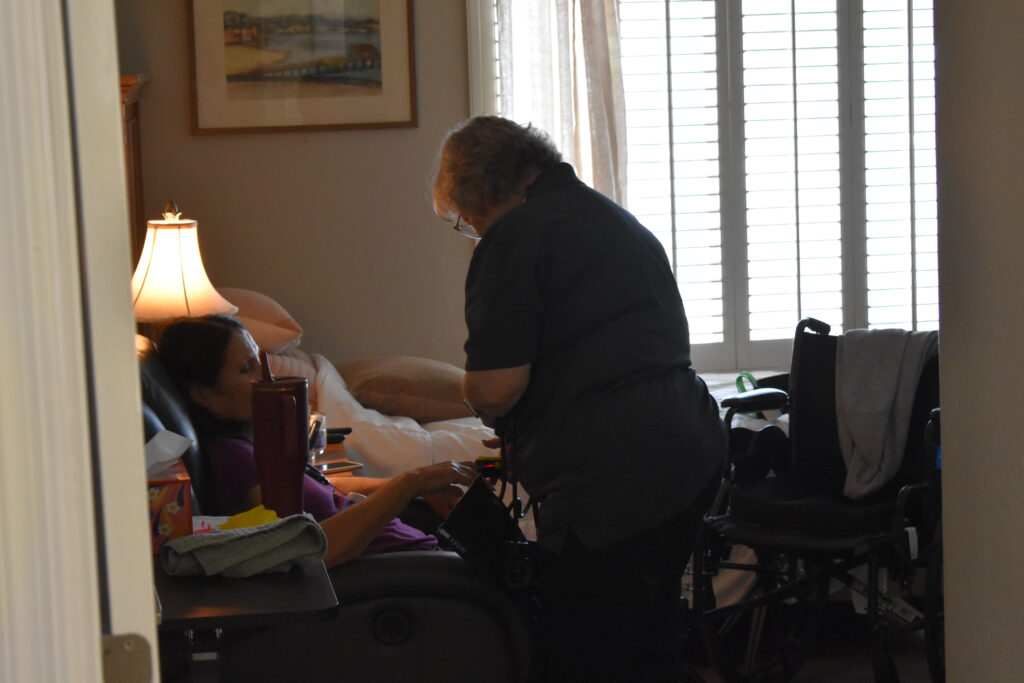
How to Select the Best Long-Term Care Facility
A Complete Guide to Choosing the Right Nursing Home Care for Your Loved One
When searching for the right long-term care facility, many families start with a simple phrase like “nursing home near me.” While that’s a great starting point, choosing the best option requires a deeper understanding of nursing home care, assisted living, and specialized services like memory care.
This guide will walk you through everything you need to know — from evaluating care needs to touring facilities — so you can confidently choose a place that provides safety, dignity, and quality of life.
1. Understanding Long-Term Care Options
Not all facilities are the same, even if they appear in your search for a “nursing home near me.” Understanding the differences ensures you choose the right level of nursing home care.
Long-term care options include:
-
Assisted living communities for daily support
-
Skilled nursing facilities (nursing homes) for medical care
-
Memory care units for dementia support
-
In-home care services
Why it matters:
-
Nursing home care is ideal for individuals needing 24/7 medical supervision
-
Assisted living may not provide the same level of clinical care
-
Choosing the wrong level can lead to costly transitions later
Take time to match the facility type with your loved one’s actual needs — not just what’s convenient or closest.
2. Assessing Current and Future Care Needs
Before selecting a facility, evaluate both current and future health conditions. Many families searching for a nursing home near them underestimate how quickly care needs can increase.
Key areas to assess:
-
Ability to perform daily activities (bathing, dressing, eating)
-
Medical conditions requiring monitoring
-
Cognitive health (memory loss, confusion)
-
Mobility and fall risk
Planning ahead:
-
Will your loved one need full nursing home care in the next year?
-
Are there progressive conditions like dementia?
-
Will mobility decline over time?
Choosing a facility that can grow with your needs prevents stressful relocations later.
3. Understanding the Cost of Nursing Home Care
The cost of nursing home care can vary significantly depending on services, location, and level of support.
Typical expenses include:
-
Monthly base rent
-
Care level fees
-
Medication management
-
Therapy services
-
Additional support services
Ways to pay:
-
Private pay (savings or retirement funds)
-
Long-term care insurance
-
Medicaid (for qualified individuals)
-
Veterans benefits
Important tip:
Don’t just compare prices when searching for a “nursing home near me.” Always ask for a full breakdown of costs to avoid hidden fees.
4. Choosing the Right Location
Typing “nursing home near me” into Google is often about convenience — but location impacts more than just travel time.
Consider:
-
Proximity to family members
-
Nearby hospitals and emergency services
-
Neighborhood safety
-
Accessibility for frequent visits
Why it matters:
-
Frequent visits improve emotional well-being
-
Quick hospital access can be life-saving
-
Familiar surroundings ease the transition
The best nursing home care often combines both quality and accessibility.
5. Checking Licensing and Reviews
Before committing to any facility, research its credentials thoroughly.
Look for:
-
State licensing
-
Inspection reports
-
Online reviews and testimonials
-
Medicare ratings (for nursing homes)
Questions to ask:
-
Have there been recent violations?
-
How were issues resolved?
-
What do current families say?
Even if a facility ranks high when you search “nursing home near me,” always verify its reputation independently.
6. Evaluating Staff Quality and Ratios
High-quality nursing home care depends heavily on staff.
Important factors:
-
Staff-to-resident ratio
-
Training and certifications
-
Staff turnover rates
-
Availability of licensed nurses
What to look for:
-
Staff who know residents by name
-
Quick response times
-
Friendly, respectful interactions
Great care comes from consistent, well-trained caregivers.
7. Memory Care and Specialized Services
If your loved one has dementia or Alzheimer’s, specialized care is essential.
Memory care features:
-
Secure environments
-
Structured routines
-
Trained dementia-care staff
-
Personalized activities
Not all facilities labeled under “nursing home near me” offer true memory care — always confirm specialization.
8. Medical Services and Emergency Care
Strong medical support is a core part of nursing home care.
Check for:
-
24/7 nursing availability
-
On-site or visiting doctors
-
Emergency response systems
-
Hospital partnerships
Ask:
-
How are emergencies handled?
-
How quickly can residents receive care?
Reliable medical services provide peace of mind for families.
9. Medication Management
Medication errors can be dangerous, so systems must be reliable.
Look for:
-
Licensed staff administering medications
-
Organized medication tracking systems
-
Regular medication reviews
Tip:
Ask how they prevent missed or incorrect doses when evaluating a nursing home.
10. Rehabilitation and Therapy Services
Rehabilitation plays a big role in recovery and independence.
Services may include:
-
Physical therapy
-
Occupational therapy
-
Speech therapy
Facilities offering strong rehab programs enhance the quality of nursing home care and improve outcomes.
11. Dining and Nutrition
Nutrition is essential for health and happiness.
Look for:
-
Balanced, dietitian-approved meals
-
Special diet accommodations
-
Flexible dining options
Questions:
-
Can meals be customized?
-
Are snacks available?
A good dining experience improves overall well-being.
12. Activities and Social Engagement
Engagement is key to mental and emotional health.
Programs should include:
-
Social events
-
Exercise classes
-
Hobby groups
-
Outings
Even when searching for a “nursing home near me,” prioritize facilities that offer meaningful daily engagement.
13. Safety and Cleanliness
A clean and safe environment is non-negotiable.
Check for:
-
Clean rooms and common areas
-
Fall-prevention measures
-
Infection control protocols
Observe during tours:
-
Odors
-
Staff hygiene practices
-
Resident safety measures
14. Respect and Dignity in Care
Quality nursing home care respects individuality.
Look for:
-
Personalized care plans
-
Respect for privacy
-
Cultural sensitivity
Residents should feel valued and respected at all times.
15. Family Communication and Involvement
Strong communication keeps families informed and involved.
Look for:
-
Regular updates
-
Open visiting policies
-
Family meetings
Ask:
-
How are changes communicated?
-
Who is the main point of contact?
16. Facility Culture and Environment
Culture affects daily life more than amenities.
Observe:
-
Staff attitude
-
Resident happiness
-
Overall atmosphere
A welcoming environment is just as important as clinical care.
17. Touring a Nursing Home (What to Look For)
When visiting a nursing home near you, pay attention to details.
Checklist:
-
Cleanliness
-
Staff interactions
-
Resident engagement
-
Meal quality
Pro tip:
Visit more than once and at different times of day.18. Reviewing Contracts and Agreements
Before signing anything, understand the terms.
Check:
-
Services included
-
Extra fees
-
Refund policies
-
Rate increases
Always review contracts carefully to avoid surprises.
19. Preparing for the Transition
Moving into a facility can be emotional.
Steps to ease the transition:
-
Bring familiar belongings
-
Establish routines
-
Stay involved
The first 90 days are critical for adjustment.
20. Ongoing Evaluation and Care Monitoring
Choosing a facility isn’t a one-time decision.
Watch for:
-
Changes in health
-
Emotional well-being
-
Quality of care
If your needs change, you may need to revisit your search for the best nursing home care.
Final Thoughts
Searching for the right “nursing home near me” is about more than proximity — it’s about finding compassionate, reliable, and high-quality nursing home care that meets your loved one’s needs today and in the future.
Key takeaways:
-
Assess needs honestly
-
Compare multiple facilities
-
Ask detailed questions
-
Prioritize quality over convenience
-
-