
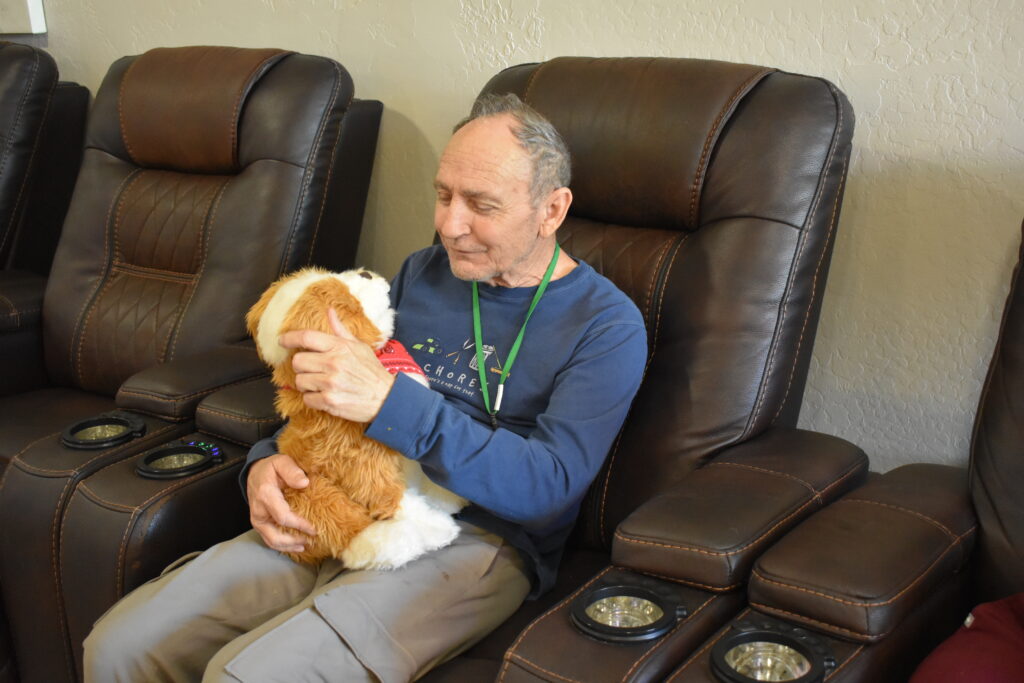
Find Memory Care Facilities Specializing in Advanced Dementia Support
Choosing memory care for a loved one with advanced dementia is one of the most emotional decisions a family can make. At this stage, families are not just looking for a place to live. They are looking for a safe environment, trained caregivers, consistency, dignity, and a setting that understands the unique challenges that come with late-stage cognitive decline. The right memory care specializing in dementia should feel calm, supportive, and prepared to meet your loved one’s changing needs with compassion and expertise.
Advanced dementia often brings more than memory loss. It may include confusion, wandering, difficulty with communication, changes in behavior, trouble eating, sleep disruptions, and a growing need for hands-on assistance with daily care. Because of these challenges, not every assisted living community is equipped to provide the level of support required. Families need to look for a memory care specializing in dementia support and offer structured care plans, trained staff, secure surroundings, and a thoughtful approach to quality of life.
This guide will help you understand what to look for, what questions to ask, and how to choose a memory care environment that provides comfort and stability. Whether you are beginning your search or narrowing down options, understanding the features of advanced dementia care can make the process less overwhelming and more informed.
1. Understanding What Advanced Dementia Support Means
Advanced dementia support goes beyond basic supervision or general senior care. It is specialized care designed for individuals who are no longer able to safely or consistently manage many parts of daily life on their own. At this stage, a person may need help with bathing, dressing, eating, medication reminders, mobility, toileting, and communication. They may also require redirection, routine, and reassurance throughout the day.
A facility specializing in advanced dementia support should be able to handle both the physical and emotional needs that come with late-stage cognitive decline. That means the environment should be calm, predictable, and secure. Caregivers should know how to respond to agitation, confusion, anxiety, and behavioral changes with patience and skill. The goal is not simply to supervise residents, but to help them maintain comfort, dignity, and as much independence as possible within a safe structure.
Families often assume all memory care communities are the same, but that is not the case. Some are better suited for early memory loss, while others are equipped for more complex care needs. Advanced dementia support requires a deeper level of attentiveness, stronger staff training, and more individualized care planning. When searching for the right facility, it helps to ask whether the community regularly supports residents in the later stages of dementia and how they adapt care as needs change.
2. Why Specialized Care Matters
When a loved one reaches a more advanced stage of dementia, familiar routines and settings matter more than ever. Memory care specializing in dementia reduces stress by creating predictable daily rhythms, consistent caregivers, and an environment designed to minimize confusion. This is especially important because people with advanced dementia can become upset or fearful when they do not recognize where they are or what is happening around them.
Specialized care also helps prevent accidents and health complications. Residents may wander, fall, forget to eat, or have difficulty understanding instructions. A trained memory care team knows how to support these needs before they become emergencies. Staff in a specialized community are more likely to notice subtle changes in behavior, appetite, sleep, or mobility, which can signal illness or discomfort.
Another reason specialized care matters is emotional support. Advanced dementia can affect a person’s ability to express pain, fear, or hunger. Caregivers must be able to read nonverbal cues and respond with sensitivity. Families often feel relieved when they know their loved one is being cared for by people who understand the disease and can provide comfort without frustration.
In the best memory care settings, specialized support leads to fewer crises, more calm moments, and better quality of life. That can make a meaningful difference for both the resident and the family.
3. Key Signs a Facility Is Equipped for Advanced Dementia
Not every community that says “memory care” is fully prepared for advanced dementia. Families should look for signs that the memory care specializing in dementia is truly designed for residents with complex cognitive needs. One of the most important signs is staff experience. Ask whether caregivers are trained to work specifically with late-stage dementia, not just general memory loss. A knowledgeable team understands how to handle confusion, repetitive behavior, resistance to care, and changes in mood without escalating the situation.
Another sign is the physical layout. A strong memory care facility should have secure entry points, safe walking paths, clear signage, and spaces that reduce overstimulation. The environment should feel easy to navigate and calm rather than crowded or noisy. Residents with advanced dementia often do better in settings that are structured and simple.
Look for individualized care plans as well. A quality facility should not use a one-size-fits-all approach. It should assess each resident’s cognitive stage, medical needs, routines, preferences, and triggers. The best communities update those plans regularly as needs change.
A few helpful signs include:
- Staff who speak calmly and respectfully to residents
- Secure outdoor or indoor common areas
- Assistance with meals, bathing, and personal care
- Activities adapted for cognitive ability
- Clear communication with families about changes in condition
These details can help you identify whether a facility can truly provide advanced dementia support.
4. The Importance of Staff Training and Experience
Staff training is one of the strongest indicators of quality in a memory care facility. Advanced dementia care requires much more than kindness alone. It requires training in communication, behavior management, personal care support, safety, and emotional reassurance. Caregivers should understand how dementia affects memory, judgment, coordination, and emotional response.
Experienced staff know how to approach residents in a way that reduces anxiety. They may use simple phrases, gentle gestures, eye contact, and familiar routines to build trust. They also know that arguing, correcting, or rushing someone with advanced dementia usually makes things worse. Instead, trained caregivers use patience and redirection to preserve dignity and reduce distress.
Experience also matters because advanced dementia can present unpredictable challenges. A resident may refuse food, resist bathing, become agitated in the evening, or have difficulty sleeping. Staff with memory care experience are more likely to handle these situations with confidence. They also know when to involve nurses, physicians, family members, or hospice care if needed.
When touring a facility, ask how often staff receive dementia-specific training and whether that training includes advanced or late-stage dementia. Ask about staff turnover too. A stable team often means residents see familiar faces, which is especially important in memory care. The more experienced the staff, the more likely they are to provide consistent, compassionate support.
5. Safety Features Families Should Look For
Safety is a top priority when choosing memory care specializing in dementia. Because dementia can affect judgment and awareness, the environment must be designed to reduce risk without feeling restrictive or cold. One of the most important safety features is secure access. A facility should prevent wandering while still allowing residents to move freely in safe spaces. Secure courtyards, monitored exits, and enclosed walking areas can help residents stay active without putting themselves in danger.
Fall prevention is another major concern. Look for clear pathways, proper lighting, grab bars, non-slip flooring, and furniture arranged to reduce accidents. The facility should also have a plan for assisting residents who use walkers, wheelchairs, or need help transferring.
Medication management matters as well. A strong memory care community should have systems in place to ensure residents receive medications correctly and on schedule. Since advanced dementia can interfere with self-management, this responsibility should always be handled carefully by trained staff.
You may also want to ask about emergency preparedness. The facility should know how to respond to medical events, power outages, and other unexpected situations while keeping residents calm and safe. Good safety features are not just about preventing accidents. They also help create a stable environment where residents can feel more secure and less overwhelmed.
6. Daily Routines That Support Comfort and Stability
People with advanced dementia often thrive on routine. A predictable daily schedule can reduce confusion, lower anxiety, and help residents feel more grounded. That is why a quality memory care facility should build the day around familiar patterns for meals, rest, activities, hygiene, and bedtime.
The best routines are not rigid, but supportive. They allow enough structure to create comfort while still respecting the resident’s energy level and personal preferences. For example, some residents may be more alert in the morning, while others may do better with quiet afternoons. A flexible but consistent routine can improve cooperation and reduce resistance to care.
Daily routines also help staff spot changes in condition. When a resident usually eats well, sleeps well, and participates in activities, sudden changes may signal pain, illness, or emotional distress. In this way, routine becomes not just comforting but clinically helpful.
A strong memory care facility should also use familiar rituals. That might mean serving meals at the same time each day, offering the same type of greeting, or following the same sequence for bathing and dressing. These small details matter. They can make the environment feel safer and more understandable for someone with advanced dementia.
7. Nutrition and Mealtime Support
Nutrition becomes especially important in advanced dementia care because eating and drinking can become more difficult over time. Some residents may forget to eat, have trouble recognizing food, lose interest in meals, or need help with utensils. Others may have swallowing issues or need softer textures. A memory care facility that specializes in advanced dementia should be prepared to provide thoughtful mealtime support.
This starts with a calm dining environment. Loud noise, too many distractions, or a rushed atmosphere can make eating harder. Staff should offer encouragement, sit with residents when needed, and provide visual cues or hand-over-hand assistance if appropriate. Meals should be nutritious, appealing, and adjusted to the resident’s abilities.
Hydration is just as important. Residents with advanced dementia may not realize they are thirsty, so staff should offer fluids regularly throughout the day. Facilities should also track weight changes, appetite changes, and signs of swallowing difficulty.
Families should ask how the facility handles special diets, food preferences, and feeding assistance. It is a good sign when a community can explain how they promote dignity during meals, rather than treating feeding as a task. Good nutrition is about more than calories. It is about comfort, routine, and preserving quality of life.
8. Activities That Support Cognitive and Emotional Well-Being
Even in advanced stages of dementia, meaningful engagement still matters. Activities do not need to be complicated to be effective. In fact, simple, sensory-friendly experiences often work best. A good memory care facility should offer activities that are adapted to the resident’s stage and ability, rather than expecting participation in ways that may be too difficult.
Examples may include music, gentle movement, tactile activities, folding towels, looking at photo albums, sensory objects, spiritual support, and one-on-one interaction. These activities can help reduce agitation, improve mood, and create moments of connection. They also give residents opportunities to feel calm, useful, and engaged.
It is important that activities are not one-size-fits-all. A person with advanced dementia may not follow group games or complex instructions, but they may enjoy a familiar song, a soft blanket, or being included in a quiet activity with a caregiver. The right facility will understand that success is not measured by performance, but by comfort and participation on the resident’s terms.
Ask whether the community has activity programming specifically for late-stage memory care. The best facilities understand how to adapt engagement to support emotional well-being, even when communication is limited.
9. Communication With Families
Strong communication with families is a major part of high-quality memory care specializing in dementia. When a loved one has advanced dementia, families need regular updates, honest conversations, and reassurance that the care team is paying attention. The facility should make it easy to stay informed about changes in health, behavior, appetite, sleep, and daily functioning.
Good communication does not mean only calling when there is a problem. It also means building a partnership with the family. Staff should be willing to listen to the resident’s background, preferences, routines, and triggers. Families often know small but important details, such as favorite foods, calming music, or habits that help their loved one feel more secure. That knowledge can improve the care experience.
Families should ask how updates are shared. Is there a designated care coordinator? Are family meetings available? How are concerns addressed? A responsive facility will have a clear process and will not leave families guessing.
When advanced dementia progresses, communication becomes even more important because families may be making difficult decisions about care changes, hospice support, or increasing assistance. A trustworthy memory care community will approach those conversations with honesty, compassion, and respect. That sense of partnership can make a difficult journey feel less isolating.
10. When Assisted Living Is No Longer Enough
Sometimes families begin with assisted living, only to realize their loved one’s needs have grown beyond what that setting can safely manage. Advanced dementia often requires more supervision and hands-on support than standard assisted living can provide. If a resident is wandering, becoming frequently confused, missing meals, refusing care, or needing help with most daily activities, it may be time to consider a specialized memory care environment.
This transition can feel painful, but it is often the safest and most supportive choice. A memory care facility is designed to handle cognitive decline in a way that allows staff to focus on the unique needs of residents with dementia. That includes structured routines, trained staff, and secure spaces that reduce the risks associated with memory loss.
Families sometimes wait too long because they hope the current arrangement will continue to work. But delaying a move can increase stress for everyone involved. The earlier families recognize the difference between general assisted living and advanced dementia support, the more time they have to find a better fit.
If your loved one needs more supervision, more reassurance, and more specialized care, memory care may be the right next step.
11. Hospice and End-of-Life Considerations
In advanced dementia, families may eventually need to think about hospice or end-of-life support. This is a sensitive but important part of the care journey. A good memory care facility should be prepared to work with hospice providers when a resident’s condition changes and comfort-focused care becomes the priority.
Hospice support can help manage pain, breathing issues, anxiety, and other symptoms while ensuring the resident remains as comfortable as possible. It also gives families emotional support and guidance during a very difficult time. A memory care community that understands hospice integration can make this transition smoother and less stressful.
Even before hospice is needed, the facility should be prepared to discuss changes in health with clarity and compassion. Families should ask how the community handles advanced decline, how they coordinate with outside medical teams, and how they support both residents and loved ones when care goals shift.
In some cases, the best memory care facilities create an environment where residents can remain in familiar surroundings as their needs change. That continuity can be deeply meaningful. It allows the resident to stay in a place that feels known and supported rather than facing repeated transitions.
12. Questions to Ask During a Tour
Touring a memory care facility is one of the best ways to determine whether it is the right fit. The atmosphere, staff interaction, and overall feel of the community can tell you a lot. During the tour, pay attention not only to what is said, but also to how residents are treated and how staff respond to questions.
Here are a few important questions to ask:
- How much experience does your staff have with advanced dementia?
- How do you handle wandering, agitation, or refusal of care?
- What does a typical day look like for residents?
- How do you support residents with bathing, eating, and toileting?
- What happens if a resident’s needs increase over time?
- How do you communicate with families about changes?
Also ask to see the dining area, common spaces, and resident rooms if possible. Notice whether the environment feels calm, safe, and clean. Are staff engaged with residents? Do they seem patient and attentive? Those observations matter just as much as brochures or websites.
A good tour should leave you feeling informed, respected, and confident that the facility understands advanced dementia care.
13. The Role of Compassion in Memory Care
Skills and systems are important, but compassion is what truly brings memory care to life. A person with advanced dementia may not remember names, dates, or conversations, but they absolutely respond to tone, touch, patience, and emotional energy. The caregivers who make the biggest difference are often those who see the person first, not the diagnosis.
Compassion shows up in the small things. It is in the caregiver who kneels down to make eye contact. It is in the staff member who offers reassurance instead of correction. It is in the team that takes time to understand what comforts a resident, even when communication is difficult. These details may seem minor, but they create dignity and trust.
For families, compassion matters too. Watching a loved one decline can be heartbreaking. A facility that treats families with empathy can ease some of that burden. The best communities recognize that dementia affects the whole family, not just the resident.
When you are comparing memory care facilities, do not overlook the emotional tone of the community. A place may have strong policies and good safety features, but if it does not feel warm and respectful, it may not be the right home. Compassion is not optional in advanced dementia support. It is essential.
14. Signs of a Quality Memory Care Community
A high-quality memory care facility specializing in advanced dementia support will stand out in several ways. It will have a calm and structured environment, trained caregivers, individualized care plans, and a strong commitment to resident dignity. You should feel that the community is built around the needs of people with memory loss, not simply adapted for them.
Quality also shows up in consistency. Residents should see familiar caregivers, follow predictable routines, and receive thoughtful attention throughout the day. Families should feel that the staff knows their loved one well and pays attention to changes in mood, health, and behavior.
The environment should be clean, secure, and easy to navigate. Activities should be purposeful and appropriate for the resident’s stage of dementia. Mealtime support, personal care assistance, and communication with families should all be handled with care and professionalism.
Perhaps most importantly, the facility should make you feel heard. If a community listens carefully, answers questions directly, and explains how it supports advanced dementia, that is a strong sign of quality. Choosing memory care is a deeply personal decision, but the right community will give you confidence that your loved one is in capable, compassionate hands.
15. Finding the Right Fit for Your Loved One
At the end of the search, the best memory care facility is the one that fits your loved one’s needs, personality, and level of support. Advanced dementia care is not just about providing supervision. It is about creating safety, comfort, and emotional stability in a way that preserves dignity as much as possible.
Take your time during the search, but trust what you observe. Notice how staff speak to residents. Notice whether the environment feels peaceful. Notice whether the care team seems prepared for the realities of advanced dementia, not just the early stages. These signs matter.
It can also help to think beyond the building itself. A truly supportive memory care community offers communication, consistency, and compassion. It should feel like a place where your loved one is known, not just managed. That difference can be life-changing for both the resident and the family.
For families searching for memory care facilities specializing in advanced dementia support, the goal is to find a community that offers expertise with heart. With the right care environment, your loved one can receive the attention, safety, and dignity they deserve while giving your family peace of mind.
Conclusion
Finding memory care for advanced dementia can feel overwhelming, but understanding what to look for makes the process easier. Specialized support, trained caregivers, secure surroundings, thoughtful routines, and compassionate communication all play a vital role in quality care. When those pieces come together, families can feel more confident that their loved one is receiving the support they need.
If you are searching for a memory care environment that understands advanced dementia and treats residents with respect, dignity, and kindness, Shirlee Beloved is here to help guide that journey.